How many pictures in a roll of film?
Table of Contents
How many pictures in a roll of film?
As an Amazon Associate, I earn from qualifying purchases.
The answer depends on the type of film, format, and sometimes even the manufacturer.
Below is a complete breakdown so you always know what to expect:
🎞️ 1. Standard 35mm Film (Most Common)
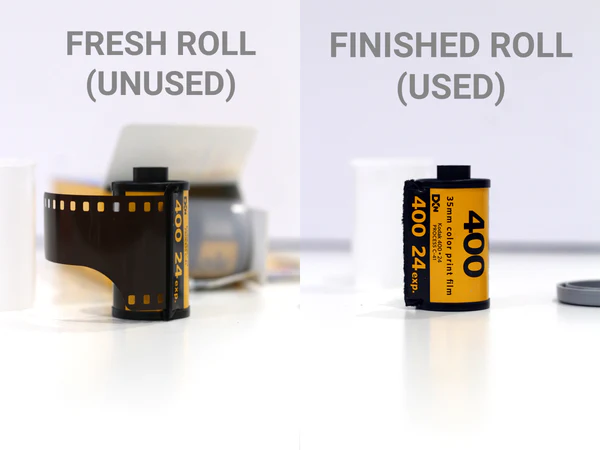
✅ 24-Exposure Roll
- How many pictures: 24
- Ideal for: Casual shooting, beginners, travel
- Pros: Cheaper, shorter roll (less risk of mistakes), faster to develop
- Cons: Runs out quickly
✅ 36-Exposure Roll
- How many pictures: 36 (sometimes 37–38 if your camera loads efficiently)
- Ideal for: Portraits, street photography, long outings
- Pros: Best value per shot, fewer reloads
- Cons: Slightly more expensive, takes longer to finish
👉 Most photographers prefer 36-exp because you get the best value.
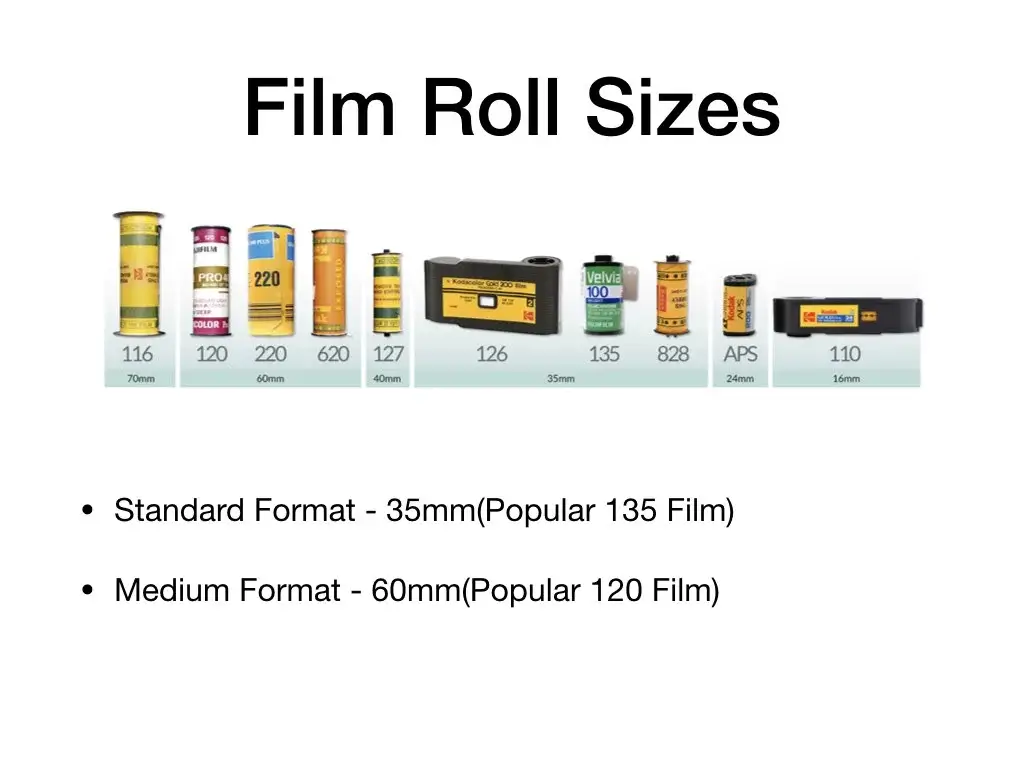
📐 2. 120 Medium Format Film
Unlike 35mm film, 120 film does not have a fixed number of exposures.
It depends on your camera format:
📷 Depending on format:
| Format | Image Size (cm) | Photos per Roll |
|---|---|---|
| 6×4.5 | 4.5×6 | 15–16 frames |
| 6×6 | 6×6 | 12 frames |
| 6×7 | 6×7 | 10 frames |
| 6×8 | 6×8 | 9 frames |
| 6×9 | 6×9 | 8 frames |
| 6×12 | 6×12 | 6 frames |
| 6×17 | 6×17 | 4 frames |
Medium Format Pros & Cons

Pros
- Professional look
- More detail and dynamic range
- Massive image quality

Cons
- More expensive film + development
- Fewer shots
🏆 3. 110 Film (Pocket Film)
A smaller, vintage format.
- How many pictures: 24 or 12
- Pros: Cute, small cameras, retro look
- Cons: Image quality is low, film is harder to find
🎞️ 4. 126 Film (Vintage “Instamatic” Film)
Mostly discontinued, but still useful for collectors.
- How many pictures: 12 or 24
- Often re-spooled or refurbished
- Quality varies depending on era
🎥 5. 220 Medium Format Film (Rare Today)
220 film is like 120 but twice as long and with no backing paper.
- How many pictures: Double what 120 offers
- 6×4.5 → 30–32
- 6×6 → 24
- 6×7 → 20
- Very hard to find; vintage use only
- Requires a camera that specifically supports 220 film
🎞️ 6. Disposable Cameras
Most disposable cameras use pre-loaded 35mm film, usually:
- How many pictures: 27 (sometimes 24 or 36)
- Pre-flashed for consistency
- Great for events, road trips, or beginners
Review: Best Film Length for Different Users
For Beginners
→ 35mm, 24-exposure
Easy, low cost, less pressure per shot.
For Everyday Photographers
→ 35mm, 36-exposure
Best value, most commonly used worldwide.
For Professionals
→ 120 film (medium format)
Fewer shots, but unbeatable quality.
For Vintage/Experimental Shooters
→ 110, 126, or 220 film
Fun, unique look, but hard to find consistent quality.
Shreyans Dungarwal Photography
Tips for Getting the Maximum Shots
- Load film carefully — poor loading can waste 2–3 frames
- Some cameras squeeze in extra frames (especially manual advance)
- Cold weather shortens roll length slightly (film tightens)
- Advanced users sometimes get 37–38 shots from a 36-exp roll
🔍 Summary Table (Quick Answer)
| Film Type | Typical Pictures per Roll |
|---|---|
| 35mm | 24 or 36 (most common) |
| 120 | 4–16 depending on format |
| 220 | Double 120 (rare) |
| 110 | 24 (sometimes 12) |
| 126 | 12 or 24 |
| Disposable | 27 |
FAQs
Why do some rolls have 24 exposures and some 36?
It’s simply a length difference:
24-exp: shorter, cheaper, good for beginners
36-exp: longer, better value, fewer reloads
Why does 120 film have fewer pictures?
Medium format negatives are much larger, so each photo uses more film.
You get fewer shots but far higher image quality.
How many pictures does a disposable camera take?
Most disposables include:
27 exposures
Some older models have 24 or 36.
Can you get more than the labeled exposures from a roll?
Yes. Many manual cameras can give:
+1 or +2 extra frames
It depends on:
How tightly the film is wound
How early/late the camera stops
What affects the number of photos I get?
How the camera loads the film
The film advance mechanism
Whether the roll is new or expired
Camera design (manual vs auto-load)
READ ALSO: DJI Mini 3 review

Related Posts

5 basic shots to make your film ideal

Sony a7iii lenses: detailed guide